
Rethinking Warewashing in High-Volume Kitchens
In high-volume foodservice environments, the dishroom plays a much bigger role than most teams realize. When it runs efficiently, service flows. When it doesn’t, everything slows down—from the kitchen to the customer experience.
At the same time, operators are facing increasing pressure from labor shortages, rising utility costs, and higher expectations around cleanliness and consistency. As a result, many are starting to look more closely at how their warewashing equipment is performing and where it may be holding them back.
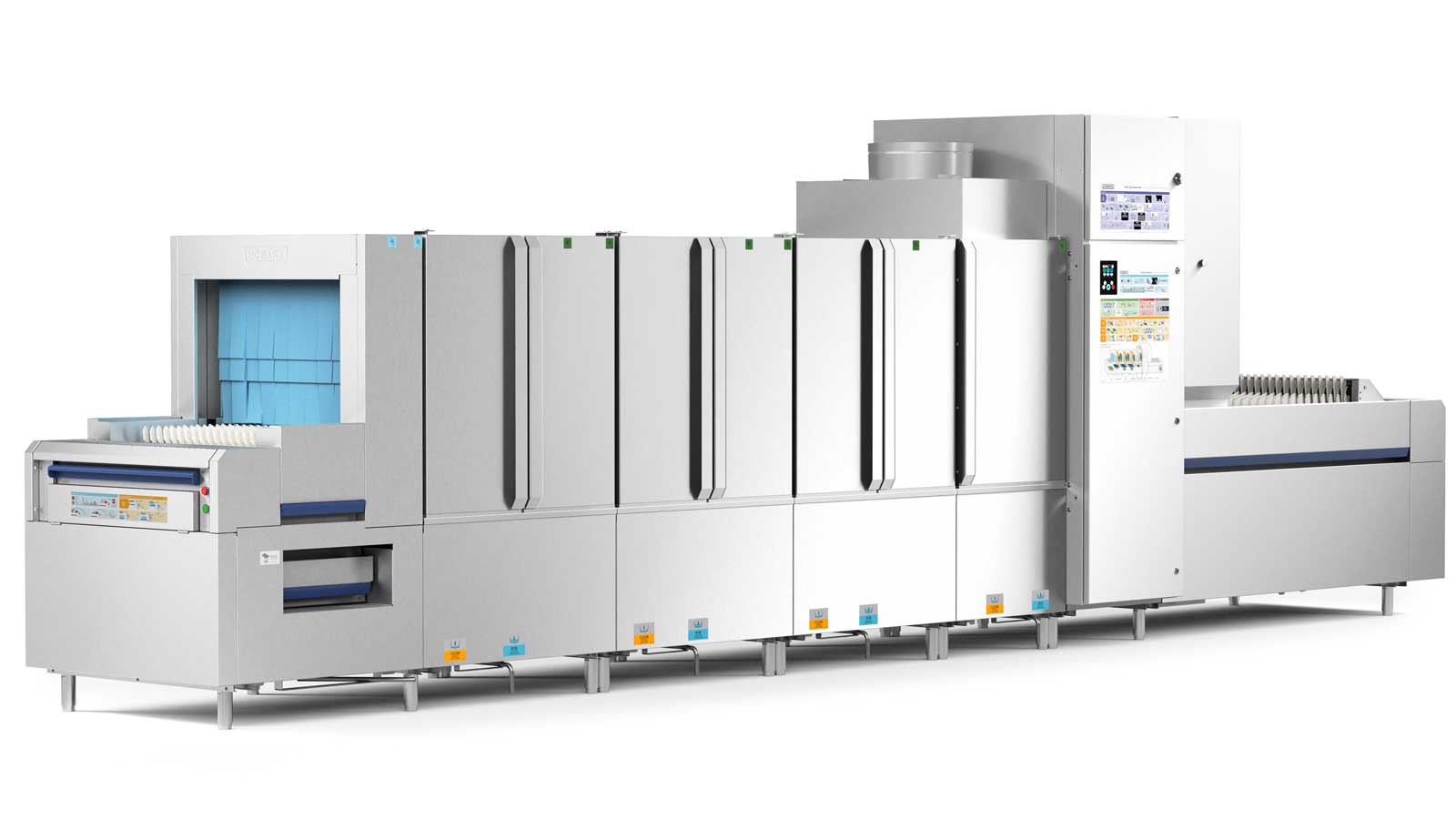
A New Approach to Flight-Type Warewashing
Traditional flight-type dishmachines have always been built for volume. But today’s operations need more than just throughput. They need systems that reduce labor demands, operate efficiently, and stay running with minimal interruption.
The Hobart FT2000 Flight-Type Dishwasher was designed with that shift in mind.
Instead of focusing on a single improvement, the FT2000 brings together a range of technologies that work collectively to improve day-to-day dishroom performance. From how ware is cleaned to how the machine is maintained, each element is designed to simplify operation while delivering consistent results.
Improving Efficiency Without Adding Complexity
One of the biggest challenges in warewashing is balancing performance with ease of use. Equipment that requires constant adjustment or hands-on maintenance can quickly create more work for already stretched teams.
The FT2000 addresses this by automating several of the most time-consuming tasks in the dishroom.
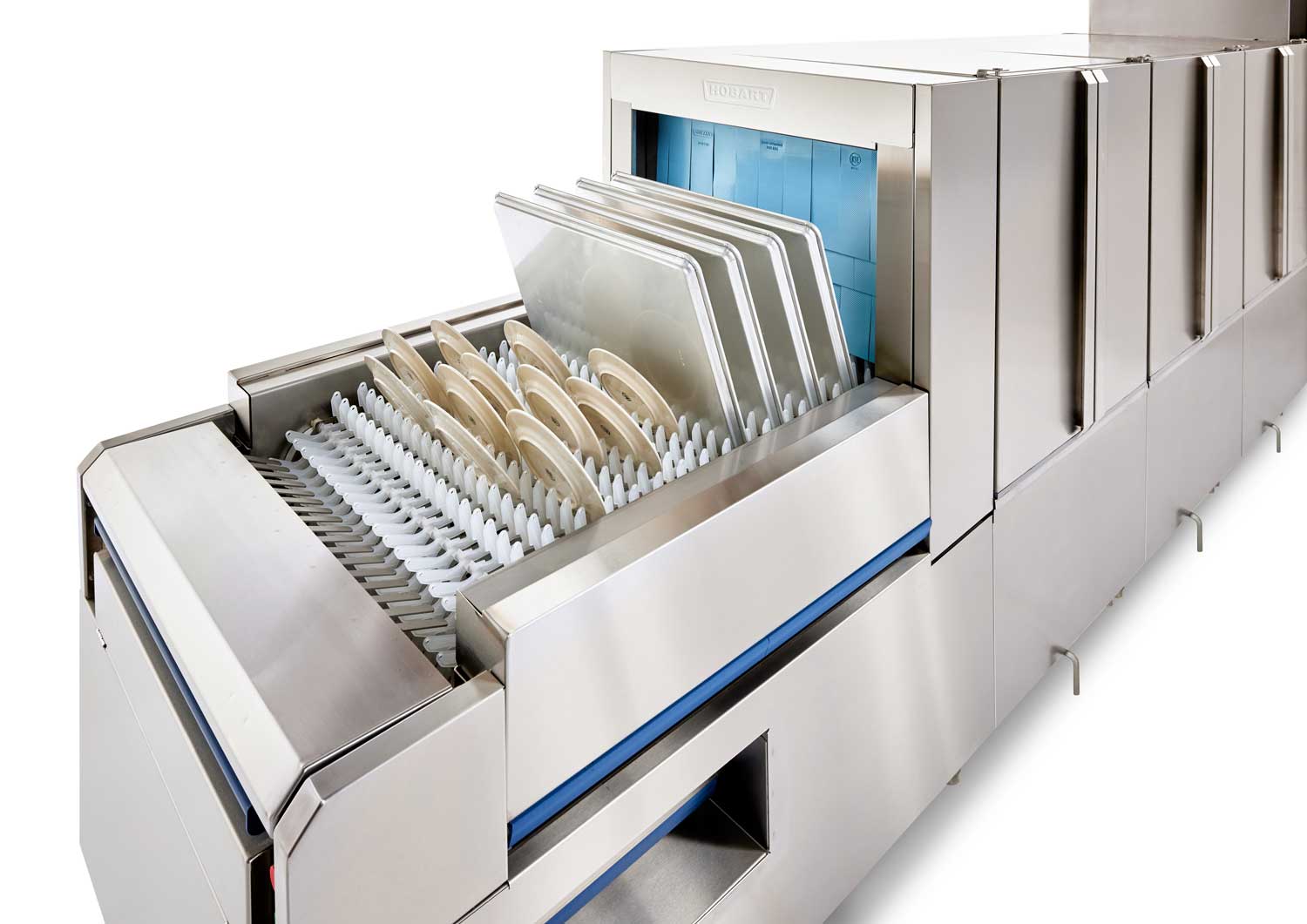
Adaptive washing technology automatically adjusts to different ware types and soil levels, helping maintain consistent results without manual intervention. At the same time, automatic soil removal reduces the need for pre-scrapping and limits how often wash water needs to be changed.
Cleaning and maintenance are also simplified through design. Components like capless wash arms and accessible panels make it easier for staff to clean the machine thoroughly and get it back into operation quickly.
Reducing Water and Energy Usage
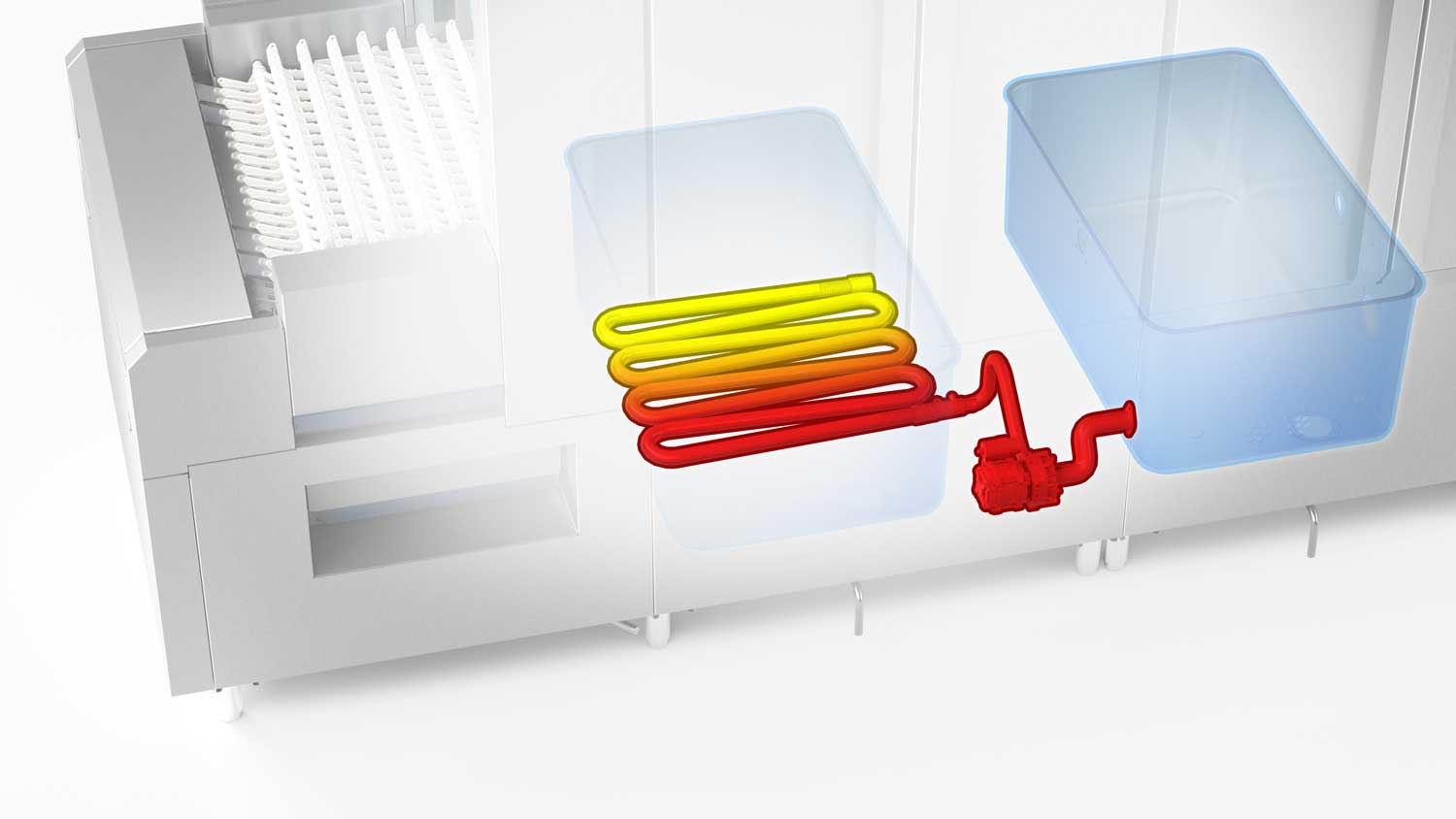
Warewashing is one of the largest contributors to water and energy consumption in a commercial kitchen. As utility costs continue to rise, efficiency improvements in this area can have a meaningful impact on overall operating costs.
The FT2000 incorporates several features designed to reduce resource usage without sacrificing performance. Systems like drain water energy recovery help capture and reuse heat, while optimized rinse rates reduce overall water consumption.
Over time, these efficiencies add up, not just in lower utility bills, but in a more sustainable operation overall.
Designed for Consistent Performance and Uptime
In high-volume kitchens, downtime isn’t just inconvenient, it can disrupt the entire operation. That’s why reliability and ease of troubleshooting are just as important as wash performance.
The FT2000 is designed to keep teams informed and in control. Its touchscreen interface simplifies operation and training, while built-in diagnostics provide visibility into machine performance and potential issues.
With tools like SmartConnect, operators can also monitor usage, temperatures, and system status in real time, helping teams stay ahead of maintenance needs and avoid unexpected interruptions.
Seeing the Impact in Real Operations
While features and specifications are important, the real value of a warewashing system shows up in daily operations.
Improvements in labor efficiency, reductions in water and energy use, and more consistent uptime all contribute to a smoother-running dishroom. Over time, that translates to measurable cost savings and a more reliable back-of-house operation.
Supporting the Right Equipment Decisions
Selecting warewashing equipment isn’t just about choosing a machine, it’s about understanding how it fits into the overall operation.
As demands on foodservice continue to increase, the difference between outdated systems and modern solutions becomes more noticeable in daily performance, labor efficiency, and operating costs.
HRI works with operators, consultants, and dealers to evaluate dishroom performance, identify inefficiencies, and recommend solutions based on real-world needs. Through hands-on demos and a consultative approach, the goal is to help each operation find the right fit, not just the latest equipment.
If you’re evaluating your current warewashing setup or planning an upgrade, connecting with the HRI team or visiting one of our test kitchens is a practical next step.
